What are AI Ethics? - AI Encyclopedia
AI ethics is a discipline that studies the ethical issues and risks involved in the development and application of artificial intelligence technologies. It focuses on ensuring that the design, development, and deployment of AI systems comply with ethical standards, promoting fairness, transparency, and ethical conduct.
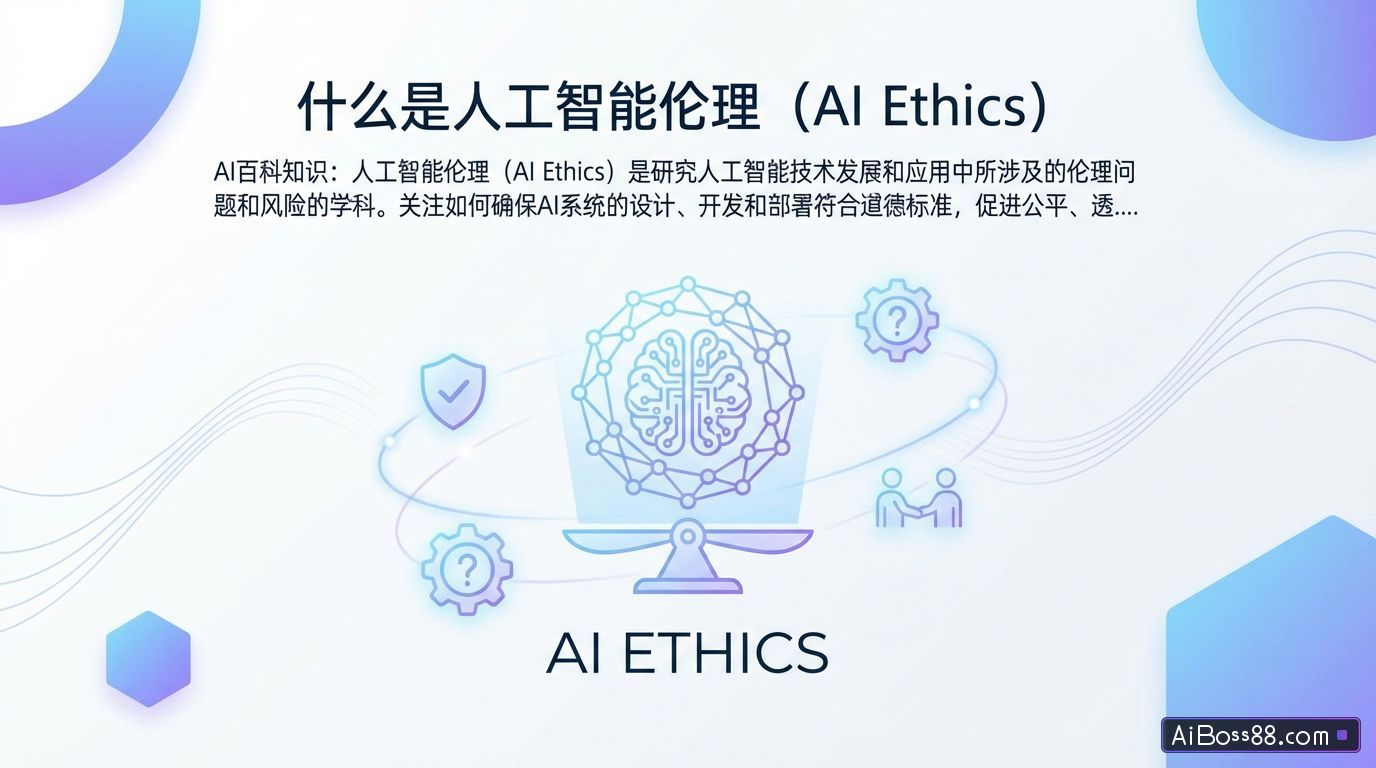
artificialintelligentethics(AI Ethics is a field of explorationartificialintelligentThe discipline of ethical issues in technological development and application focuses on how to ensureAIThe system's design and use adhere to ethical standards and social responsibility. With...AIThe rapid development of technology has led to its increasingly widespread application in fields such as healthcare, education, and transportation. However, this has also brought about issues such as privacy violations, algorithmic bias, and...automaticEthical challenges such as unemployment. Establishing and adhering to a comprehensive set of ethical guidelines.artificialintelligentEthical principles are crucial for guiding technology toward good and promoting social fairness and harmony.
What isartificialintelligentethics
artificialintelligentethics(AI Ethics is a studyartificialintelligentThe discipline of ethical issues and risks involved in technological development and application. It focuses on how to ensure...AIThe system is designed, developed, and deployed in accordance with ethical standards, promoting fair, transparent, and responsible use.artificialintelligentEthics include, but are not limited to, data privacy protection, algorithmic bias,automaticThe employment impact of urbanization, andAITransparency and explainability of decision-making.artificialintelligentThe goal of ethics is to guideAITechnology is developing in a direction that benefits humanity and society.
artificialintelligentHow Ethics Work
artificialintelligentethics(AI Ethics operates on a set of core principles and values designed to guide technological development and application. These principles include bioavailability (aiming to improve human well-being), harmlessness (avoiding harm to humans), autonomy (respecting and protecting human autonomy), and justice (ensuring...).AIApplication of fairness and impartiality and interpretability (ensuring fairness and impartiality)AIThe decision-making process is transparent, understandable, and auditable. These principles help ensure...AITechnology can have a positive impact while respecting human rights and social values.
In practice,artificialintelligentImplementing ethics involves collaboration among interdisciplinary teams, including technology developers, ethicists, legal experts, and policymakers. They work together to identify potential ethical risks, develop appropriate policies and standards, and ensure ethical compliance through ongoing monitoring and evaluation.AIThe system's behavior complies with ethical requirements. Furthermore, public participation and transparency are also crucial to ensuring broad social consensus and [the system's effectiveness/compliance].AITrust in technology.
artificialintelligentMain applications of ethics
artificialintelligentEthics has a wide range of applications, spanning multiple levels and industries. Here are some key application examples:
- automaticdriving a car:existautomaticIn driving skills,artificialintelligentEthics focuses on how to program decision-making algorithms to handle ethical dilemmas in emergency situations, such as choosing the path that minimizes harm in an unavoidable accident.
- Medical diagnostic system:AIIn the medical field, it is necessary to ensure that the algorithm does not lead to misdiagnosis of certain groups due to data bias, while protecting patient privacy and data security.
- Recruiting and Human Resources:useAIWhen conducting resume screening and interview assessments, ethical principles require the elimination of unfair biases such as gender and race to ensure the fairness of the recruitment process.
- PersonalizationrecommendsystemIn e-commerce, social media, and news platforms,AIEthical concerns include how to avoid "filter bubbles" and manipulation of user behavior, while protecting user data from misuse.
- intelligentMonitoring and securityUsed in public safety and monitoring systemsAIAt the same time, it is necessary to balance security needs with the right to personal privacy, and ensure that technology is not used to infringe on civil liberties.
- Robots andautomaticchangeIn the industrial and service sectors,AIEthical concernsautomaticThe impact of robots on employment, and how to ensure that robots behave in accordance with ethical and legal standards.
- Educational Technology:AIIn educational applications, such as personalized learning platforms, it is necessary to ensure that algorithms do not exacerbate educational inequality while protecting students' personal data.
- legal and judicial system:AIIn applications such as crime prediction and sentencing recommendations, it is necessary to prevent algorithmic bias from affecting judicial fairness and to ensure the transparency of the decision-making process.
- Environmental monitoring:AIApplications in environmental monitoring and protection, such as wildlife conservation and climate change research, require ensuring that the use of technology promotes ecological balance and sustainable development.
- Military and defenseIn the military field,AISpecial attention to ethicsautomaticThe use of chemical weapons systems must be in accordance with international law and to avoid unnecessary harm.
artificialintelligentThe challenges facing ethics
artificialintelligentEthics faces multifaceted challenges, encompassing technological, social, legal, and philosophical fields. Here are some of the key challenges:
- Data bias and discrimination:AISystems are typically trained on large amounts of data; if this data contains bias, then...AIDecision-making may also be biased, leading to discriminatory outcomes.
- Privacy protection:along withAIWith the widespread application of technology in various fields, the collection and analysis of personal data has become increasingly common, making the protection of user privacy an important issue.
- Transparency and Explainability:manyAISystems, especially those based onDeep learningThe decision-making process of such models is often a black box and difficult to explain, which brings difficulties to supervision and attribution of responsibility.
- automaticEmployment impact of chemical industry:AIandautomaticModern technologies may replace certain jobs and trigger changes in the employment structure, requiring consideration of how to help the workforce adapt to these changes.
- The formulation and implementation of ethical standards: Develop globally accepted standardsAIEthical standards are a challenge, but ensuring their effective implementation is equally important.
- Attribution of responsibility:existAIIn cases where the system causes damage, determining liability (developer, user, or...)AIThe system itself is a complex problem.
- technology abuse:preventAIWhen technology is used for malicious purposes, such as deepfakes and network surveillance, appropriate ethical guidelines and technical countermeasures are needed.
- Cross-cultural ethical differencesDifferent cultures and societies have different understandings of ethics, so it is necessary to formulate universally applicable standards.AIEthical standards need to take these differences into account.
- Long-term impacts and unknown risks:AIThe long-term impact and potential risks of technology are difficult to predict, and preventing and managing these unknown risks is a challenge.
- Ethical education and public awarenessRaising public awarenessAIUnderstanding and recognizing ethical issues, and strengthening ethical education within the education system.
artificialintelligentThe Development Prospects of Ethics
artificialintelligentThe future development of ethics heralds an era of global dialogue and cooperation involving multiple disciplines and stakeholders. With technological advancements, ethical considerations will be more deeply integrated into [the broader context of ethical development].AIThe design, development, and deployment processes should drive the formation of a more comprehensive and detailed ethical framework and standards. In the future, we may see more regarding...AIEthical legislation and regulatory measures, as well as the response of technological innovation itself to ethical challenges, such as enhancement...AIThe system's transparency, explainability, and fairness. Increased public awareness and wider access to education will also be key drivers.AIA key factor in ethical development is ensuring that technological progress is aligned with human values and social well-being.