What is Edge Computing? - AI Encyclopedia
Edge computing is a distributed computing architecture that moves data processing and analysis tasks from centralized data centers to the network edge, closer to the data source and the user. This can significantly reduce data transmission...
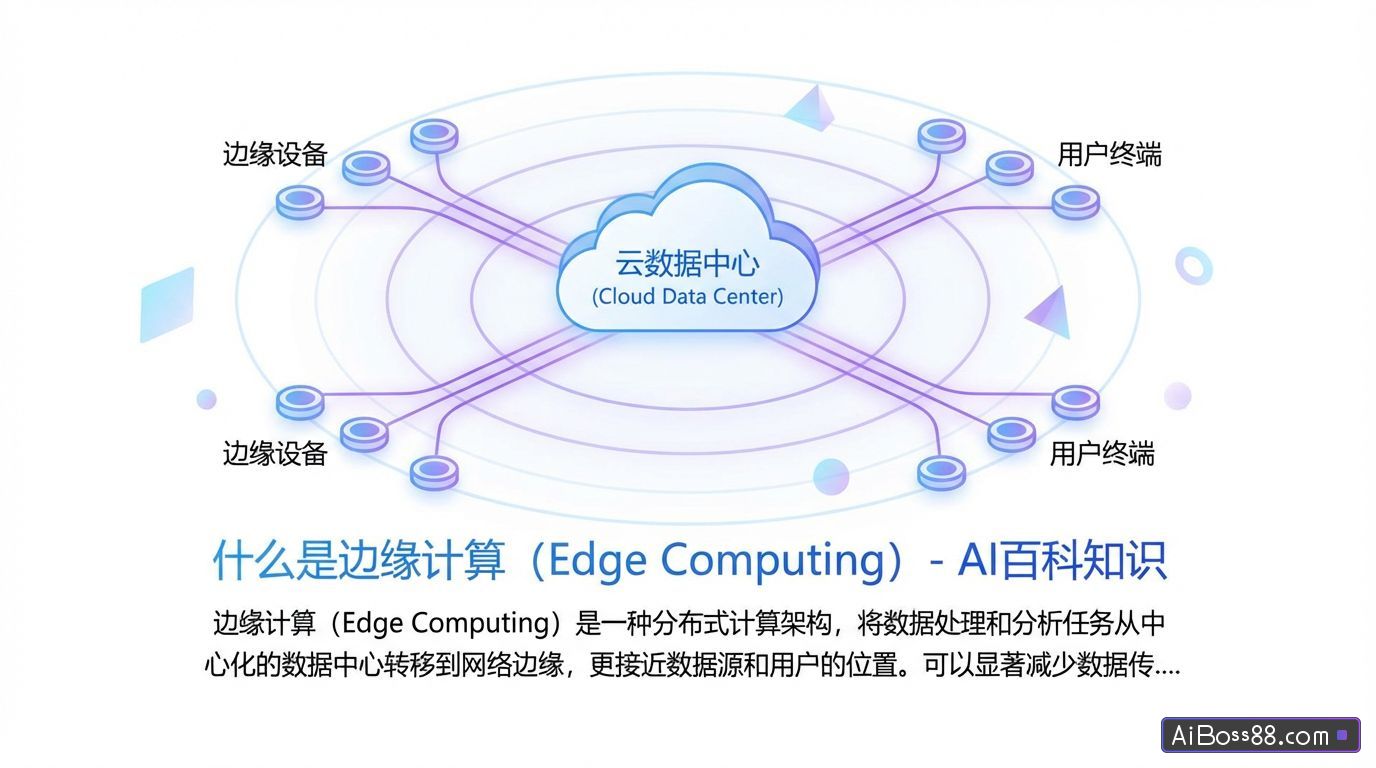
Edge computing, as an accelerator of digital transformation, is gradually becoming a bridge connecting the physical and digital worlds. By processing data near the data source, it significantly reduces latency, improves response speed, and provides real-time data analysis and decision-making capabilities.powerfulWith the surge in IoT devices and the widespread adoption of 5G technology, edge computing has an incredibly broad application prospect, profoundly impacting multiple industries such as manufacturing, smart cities, and healthcare, and opening up new possibilities.intelligentThe gateway to a new era of the Internet.
What is edge computing?
Edge computing is a distributed computing architecture that moves data processing and analysis tasks from centralized data centers to the network edge, closer to the data source and user. It can significantly reduce data transmission latency, improve response speed, optimize bandwidth usage, and enhance the real-time performance and security of data processing. Edge computing is used in the Internet of Things (IoT), real-time data analytics, and...automaticThis is especially important in fields such as chemical control.
How edge computing works
Edge computing reduces the need for data transmission to remote data centers by processing data at or near its origin. This allows data to be analyzed and processed instantly on local devices or edge nodes, reducing latency caused by long-distance data transmission. It also improves application responsiveness and reliability, making it particularly suitable for scenarios with high real-time requirements, such as…automaticDriving, telemedicine and industryautomaticchange.
In the edge computing model,intelligentData collected by devices and sensors undergoes initial processing at edge nodes, including data cleaning, format conversion, and preliminary analysis. Only necessary information is sent to the cloud or central data center for further analysis and long-term storage. This tiered processing strategy not only optimizes network traffic but also helps protect data privacy and meet regulatory requirements for data residency in specific regions.
Main applications of edge computing
Edge computing has a wide range of applications, covering everything from industry...automaticThis has been integrated into many aspects of smart city construction. Here are some key application examples:
- industryautomaticchangeIn manufacturing environments, edge computing enables machines and sensors to exchange data in real time, achieving predictive maintenance, optimizing production processes, and improving efficiency.High efficiencyRate.
- Smart CityEdge computing helps process massive amounts of data from traffic monitoring, street lighting, and public safety systems, enabling more efficient processing.intelligentUrban management.
- automaticdriving a carVehicles based on edge computingfastIt processes data from sensors to enable real-time decision-making, such as obstacle avoidance and path planning.
- TelemedicineEdge computing canfastAnalyze patient data to support remote diagnosis and immediate medical intervention, especially in emergency situations.
- RetailIn retail environments, edge computing can be used to optimize inventory management, personalize customer experiences, and monitor customer traffic in real time.
- energy industryEdge computing helps monitor and optimize energy consumption, and supports...intelligentPower grid and renewable energy systemsHigh efficiencyrun.
- Video surveillanceIn the security field, edge computing can be used for real-time video analytics, to...fastIdentify unusual behavior or potential threats.
- Games and entertainmentEdge computing reduces latency, providing a smoother online gaming experience and high-quality streaming services.
- Agricultural technologyIn precision agriculture, edge computing can be used to analyze soil, climate, and crop conditions in real time, optimizing irrigation and crop management.
- AerospaceEdge computing applications on aircraft and satellites can process critical data in real time, improving mission safety and efficiency.
Challenges of Edge Computing
While edge computing offers many advantages, it also faces several challenges that require technological innovation and strategic adjustments to overcome. Here are some of the main challenges facing edge computing:
- Data security and privacy protectionBecause edge computing involves processing data across multiple distributed nodes, ensuring data security and privacy across the network becomes more complex.
- Network bandwidth and connectivityEdge devices may be located in areas with unstable network connectivity or limited bandwidth, which may affect the real-time transmission and processing of data.
- Equipment compatibility and standardizationDevices in an edge computing environment may come from different manufacturers, have different specifications and communication protocols, which may lead to compatibility issues.
- Resource constraintsEdge devices typically have limited resources, including computing power, storage, and power supply, which may limit the complexity of applications that can run on these devices.
- Equipment maintenance and upgradesEdge devices distributed across a wide geographical area may be difficult to physically access and maintain, complicating software updates and hardware upgrades.
- Complex equipment managementAs the number of edge devices increases, managing and coordinating these devices becomes more difficult, requiring effective device management and orchestration tools.
- Challenges of Real-Time Data ProcessingIn edge computing, there is a high demand for real-time data processing, but ensuring low latency and high data processing speed is a technical challenge.
- Regulatory complianceDifferent countries and regions have different data protection regulations, and edge computing needs to ensure compliance in different jurisdictions.
- Cost-benefit analysisDeploying edge computing solutions can involve significant upfront investments, including hardware, software, and network infrastructure, requiring cost-benefit analyses to justify their value.
- Shortage of technical personnelEdge computing is an emerging field that requires technical personnel with specific skills to design, deploy, and maintain systems, and such talent may be relatively scarce at present.
The Development Prospects of Edge Computing
Edge computing, as a key emerging technology, has broad development prospects and is expected to further drive the development of the Internet of Things (IoT), 5G, and other technologies.artificialintelligentThe integration and innovation of technologies such as these will benefit industry.automaticSmart cityautomaticBringing more to fields such as driving and telemedicineHigh efficiency,EvenintelligentAs edge computing technology matures and its application scenarios expand, it will play an increasingly important role in global digital transformation. However, it will also face challenges such as data security, device management, and resource optimization. This requires joint efforts from industry, government, and academia to promote the development of relevant standards, technological research and development, and talent cultivation to achieve its sustainable and healthy development in a wider range of fields.