What is Embedded Learning? - AI Encyclopedia
Embedded learning is an innovative educational model that seamlessly integrates the learning process into daily work and activities. Embedded learning posits that when learning content is closely related to work, employee learning...
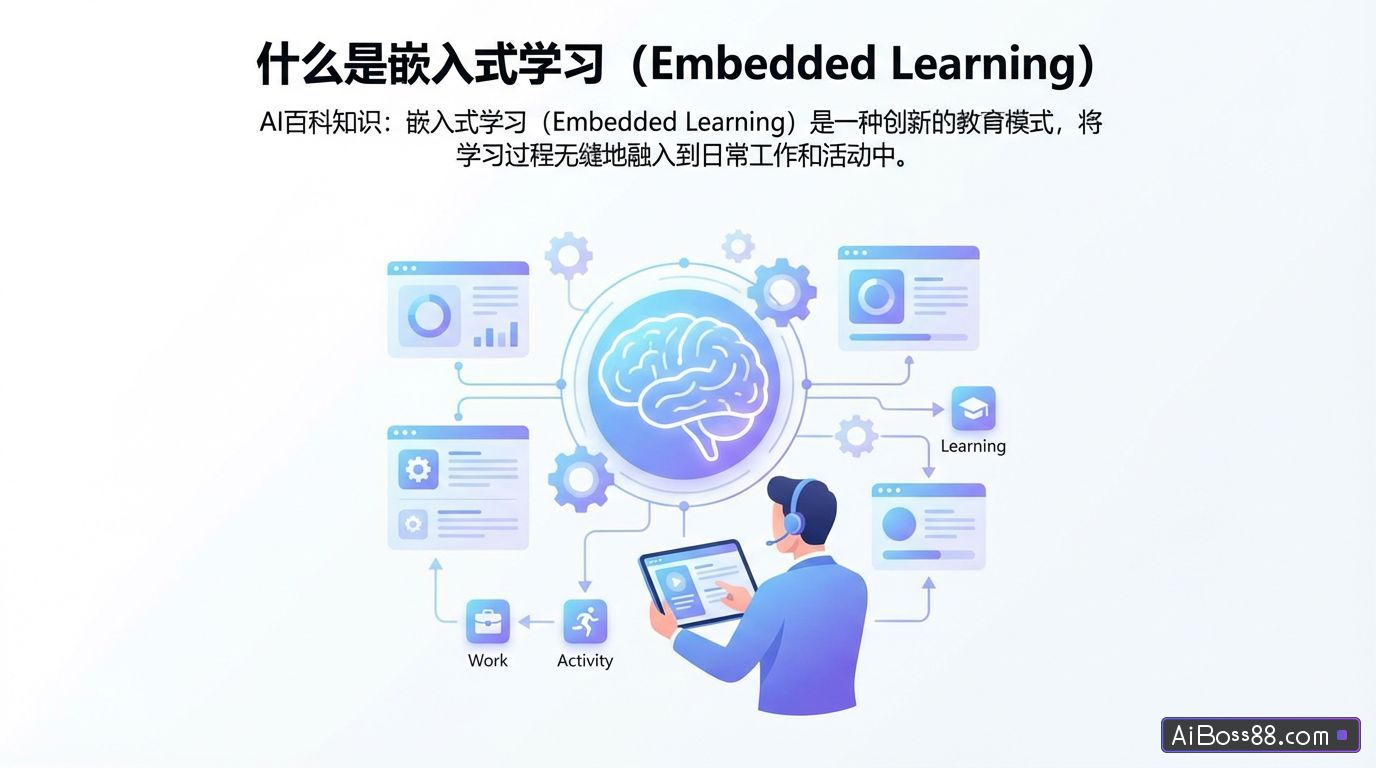
Embedded learning, as a revolutionary educational strategy, is increasingly becoming key to enhancing the competitiveness of individuals and organizations. By organically integrating learning activities into daily workflows, it not only promotes the immediate application and transformation of knowledge but also fosters a culture of continuous learning and innovation. The implementation of embedded learning heralds a profound transformation in the field of education and training, liberating learning from the traditional classroom model and making it a vital force supporting personal growth and organizational development. With continuous technological advancements and the ever-increasing global demand for lifelong learning, embedded learning will undoubtedly play an increasingly important role in future education systems.
What is embedded learning?
Embedded learning is an innovative educational model that seamlessly integrates the learning process into daily work and activities. Embedded learning believes that employee motivation and effectiveness are highest when learning content is closely related to work. Unlike traditional classroom learning, embedded learning provides immediate solutions and support for complex problems encountered by employees at work through internal learning organizations. The characteristics of embedded learning include immediate learning support, an emphasis on collaboration, the introduction of learning technologies, and the close integration of learning and work to promote knowledge sharing.fastAbsorb and apply effectively.
How Embedded Learning Works
Embedded learning achieves seamless integration of learning and work by directly integrating educational content and activities into workflows. Based on immediate learning support and contextual learning, embedded learning enables employees to apply new knowledge in real-world work scenarios, improving the relevance and effectiveness of learning. It encourages teamwork, utilizes technological support such as online platforms and collaboration tools, promotes knowledge sharing and exchange, and fosters a culture of continuous learning and performance improvement.
Embedded learning also emphasizes the immediacy and relevance of learning content, ensuring that employees can quickly acquire the necessary knowledge and skills when facing specific challenges. Embedded learning helps improve individual performance and fosters innovation and adaptability across the organization. Through continuous learning cycles and performance support, embedded learning provides employees with an environment for continuous growth and development, while also delivering a long-term competitive advantage to the enterprise.
Main applications of embedded learning
Embedded learning has a wide range of applications, covering areas from education to corporate training:
- Corporate TrainingIn enterprise environments, embedded learning is used to improve employee skills and knowledge, particularly in technology.fastIn rapidly evolving industries such as IT, engineering, and healthcare, integrating learning activities into daily work allows employees to learn through practice and master new tools and processes more quickly.
- Vocational EducationVocational schools and training institutions use embedded learning models to enable students to learn in simulated or real work environments, such as through internships, apprenticeships, and project-based learning, to enhance students' vocational skills.
- Online EducationOnline learning platforms provide personalized and adaptive learning experiences through embedded learning technology. Learning management systems (LMS) and mobile applications can provide learning resources and support in real time, adapting to learners' needs and pace.
- Medical trainingIn the medical field, embedded learning can be used for clinical training, enabling doctors and nurses to learn and apply knowledge in real-world medical settings.up to dateMedical knowledge and technology.
- Military trainingIn military training, embedded learning is used to train soldiers in simulated combat environments to improve their tactical and strategic skills.
- Language learningIn language education, embedded learning promotes language skills by placing learners in an environment of the target language, such as language immersion projects.fastpromote.
- Lifelong learningFor individuals who pursue lifelong learning, embedded learning offers a flexible learning approach, enabling them to continuously acquire new knowledge and skills in their work and life.
- Teamwork and Leadership DevelopmentEmbedded learning helps improve team members’ collaboration and leadership skills through team projects and leadership challenges.
Challenges of Embedded Learning
While embedded learning has demonstrated unique advantages in many fields, it also faces some challenges:
- Resource allocationFinding a balance between work and study may require additional resources, including time, money, and human resources. Companies may need to invest more money in designing and implementing embedded learning programs.
- Conflict between study and workEmployees may find it difficult to find time to participate in learning activities due to work pressure, or learning activities may be seen as an interference with completing work tasks.
- Technology IntegrationEffectively integrating learning technologies into the work environment may require complex technical support and maintenance, which can be a challenge for some organizations.
- Cultural adaptabilityIn some organizational cultures, there may be a lack of an environment that supports learning and innovation, which may hinder the implementation of embedded learning models.
- Assessment and feedbackCompared to traditional learning, the effectiveness of embedded learning may be more difficult to quantify and evaluate because it is tightly integrated with the workflow.
- Knowledge update speedIn technologyfastIn a growing industry, keeping learning content up-to-date and relevant is a challenge, requiring continuous content updates and curriculum design.
- Employee engagementEnsuring active employee engagement in embedded learning activities can be challenging, especially if they don't see the value of learning directly relevant to their work.
- Personalized learning pathsDesigning personalized learning paths for employees with different backgrounds and skill levels may require complex planning and customization.
- Management supportGaining the support and approval of management is key to the successful implementation of embedded learning, but this can sometimes be difficult to achieve due to short-term performance pressures.
- Continuous learning cultureBuilding a culture of continuous learning and improvement can take time and effort, especially in traditional and static work environments.
The Development Prospects of Embedded Learning
Embedded learning, as an innovative education model, has broad prospects for development. With technological advancements and the increasing demand for lifelong learning in the workplace, it is expected to be further integrated into various industries and educational fields. In the future, we may see the emergence of more personalized and adaptive learning solutions, as well as the development of more advanced technological tools to support this learning approach. As organizations increasingly recognize the role of embedded learning in enhancing employee skills, facilitating knowledge transfer, and strengthening competitiveness, more and more companies are likely to invest in this learning model, and embedded learning is poised to become an indispensable part of future education and career development.